Newsletter #77: 🤯 13 Inspiring takeaways from an epic health conference
Pearls to inspire your week
Know someone who might enjoy this newsletter? Forward this email to a friend, or share the web version here: https://caseys-means.beehiiv.com/p/newsletter-77
🎧️ Unlock the audio edition of this newsletter, personally read by Dr. Casey, and other offerings by becoming a Good Energy Steward.
I just got back from speaking at a wonderful health conference to hundreds of global CEOs, where I also got to spend a few days learning from some of the best minds in brain health, longevity, and chronic disease prevention. Here are 13 lessons that struck a chord with me, plus the research behind them. Enjoy and I hope you have a healthy, wonderful day!
😩 1. Microstressors add up, and they’re making us sick
One of the ideas that stuck with me most was from the awesome Dr. Rangan Chatterjee: microstressors. Microstressors: the alarm clock going off at 6:30 AM, a snippy social media comment, an early morning work email, a violent news headline, being cut off on the way to work. Each one on its own is manageable, but when they stack up, we can hit our stress threshold. Then the day really goes downhill, because we have less capacity to navigate whatever else comes our way.
According to Dr. Chatterjee and his decades of clinical work as a general practitioner in the UK, each of us has a personal stress threshold. When enough microstresses pile up to cross it, symptoms can show up: poor sleep, anxiety, cravings, rising blood sugar, and higher blood pressure. Because this background stress is low-grade and often invisible, it can easily be ignored. But we know when we’ve crossed the threshold: we become short-tempered, frustrated, or overwhelmed. Dr. Chatterjee estimates that as much as 90% of what doctors see in a day is related to stress in some way, and the research supports the broader connection between chronic stress and poor health. The WHO has called stress the “health epidemic of the 21st century.”
Why it matters physically: The stress response exists to keep us safe. When we experience acute stress, blood sugar and blood pressure rise to help fuel the brain with glucose and oxygen, blood becomes more prone to clotting in case of injury, and the amygdala goes on high alert, scanning for threats. That’s lifesaving when you’re facing an actual predator. But when the stressors are not physically threatening (like an email!), and the sense of threat rarely ever switches off, that constant state of alert can contribute to real chronic disease.
What’s important to realize is that much of the stress we experience can be generated from the inside out: by how we interpret situations happening around us that may not actually pose a threat. That means we may have more control than we think. Two questions we can ask ourselves are: 1) What microstressors can I simply eliminate—for example, not reading the news first thing, no social media in the mornings, or using a gentler alarm clock like a Hatch that wakes you up with gentle light and inspiring sounds instead of harsh beeping? And 2) Can I change the way I respond to the stressors I can’t eliminate?
Here are a few ways to do that:
📝 Keep track of microstressors. Make a list of the things that cause a pang of stress each day. Dr. Chatterjee estimates that we might experience 20 before we even walk out the door! See which ones you can remove.
🫁 Breathe. And, specifically, breathe out longer than you breathe in. A breath pattern with a longer exhale can help activate the body’s relaxation response. Dr. Chatterjee likes a three-count inhale, four-count hold, and five-count exhale.
🌲 Get into nature. Time in nature can lower stress and cortisol, and even looking at the fractal patterns in leaves and branches may have a calming effect on the brain.
😴 Give yourself a real bedtime, the way you would a child: dim the lights, take a shower or bath, read a story, and keep the vibes calm. It works for our kiddos—why don’t we do it for ourselves? Don’t rush straight from the intensity of the day into bed.
💭 Try the 3 F’s when a craving hits. If you’re reaching for unhealthy food or have the urge to scroll, stop and tune into Chatterjee’s 3 F’s. Feel: pause and name the emotion underneath. Tired? Bored? Lonely? Anxious? Feed: notice what need the behavior is feeding. Relief? Pleasure? Find: find another, healthier way to meet that need. Take a walk. Ask your partner for a foot massage. Listen to a song you love.
🧠 2. Your brain's future is in your hands
Neurologists Dr. Dale Bredesen and Dr. David Perlmutter, and neurophysiologist Louisa Nicola all talked at length about how much of the dementia burden we’re facing is preventable. It’s projected that around 152 million people will have Alzheimer’s dementia globally in 2050. A 2025 study of more than 15,000 U.S. adults found that the lifetime risk of developing dementia from ages 55 to 95 is 42%, with the highest risk in APOE4 carriers, women and Black adults. Women's risk was 48%, compared with 35% for men.
The hopeful part is that a large share of that risk can be changed. The 2024 Lancet Commission reported that 45% of dementia cases could be prevented by addressing 14 lifestyle factors. These modifiable risk factors include hearing loss, excessive alcohol use, depression, traumatic brain injury, type 2 diabetes, high blood pressure, low education, low social contact, smoking, obesity, high cholesterol, vision loss, air pollution, and physical inactivity.
📖 Read more: Newsletter #44: 🧠 A protocol to protect your precious mind
⬅️ 3. Cognitive decline has been shown to be reversible
Dr. Dale Bredesen shared results from a randomized controlled trial of his personalized ReCODE protocol. The 9-month trial compared the protocol to standard of care in 73 patients with mild cognitive impairment or early dementia. It is absolutely worth reading this paper, which you can find here. Specifically, check out the “Methods” of what their protocol actually did.
The results:
💡 Overall cognition: On the Neurocognitive Index, the intervention group improved from 92.0 to 106.2, while the control group declined from 96.9 to 92.4.
🧠 Memory: Composite memory improved 13.12 points in the intervention group and declined 5.39 points in the control group.
💪 Other areas: The protocol also showed significant benefits for executive function, processing speed, and symptom severity, along with better blood pressure, blood sugar control, and cholesterol.
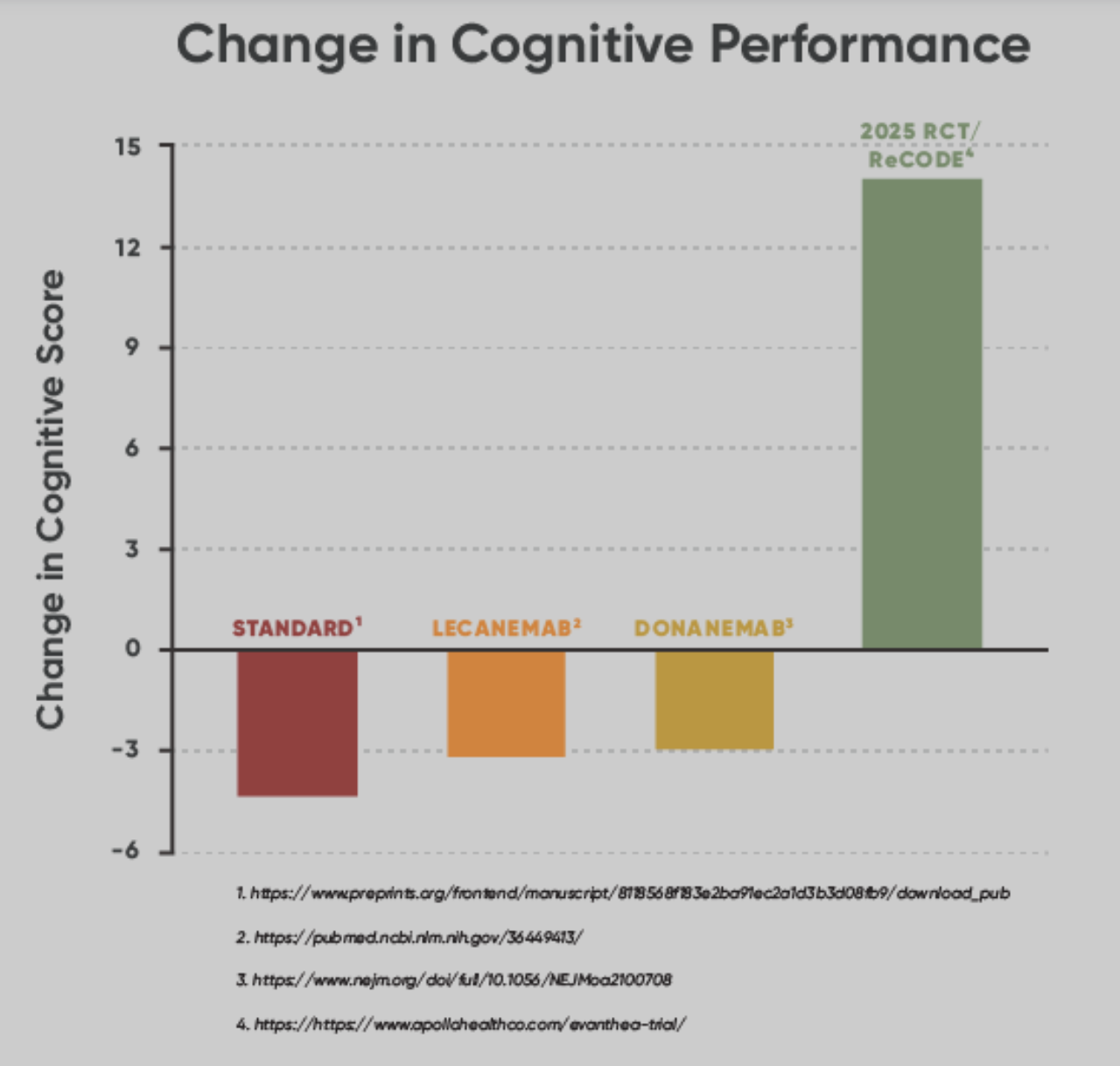
Dr. Bredesen’s protocol performed astronomically better at improving cognitive score than standard of care.
One caveat: the trial is posted as a preprint and not yet printed in a peer-reviewed journal, and on the MoCA, a standard cognitive test, both groups improved and the difference between them wasn't statistically significant. Still, it's an encouraging step beyond individual success stories.
🩸 4. Know your brain numbers
Three things to ask your doctor about:
🩸 p-tau217, a blood test that can flag Alzheimer's-related changes years before symptoms. I hadn’t heard of this before! I will definitely be looking into it.
💉 HOMA-IR, a measure of insulin resistance that uses a fasting glucose and fasting insulin level, because metabolic health and brain health are profoundly connected.
🧠 ApoE4 status, the most significant genetic risk factor for Alzheimer's. Even with ApoE4 variants, there is still immense hope with reducing risk of Alzheimer’s with lifestyle changes.
😴 5. You must rule out sleep apnea, especially if you're a woman
Dr. Michael Breus’s talk focused on the critical importance of screening for sleep apnea and treating it if you have it. Untreated apnea deprives the brain of oxygen night after night, setting us up for a whole host of problems ranging from heart disease to dementia to depression. Most apnea research has been done in white men, and women frequently don't have the classic loud snoring that men present with. Instead they might show insomnia, headaches, nightmares, restless sleep, fatigue, depression or low mood, so it gets missed. At-home sleep tests now make checking easy.
Two other sleep lessons stayed with me. To fall asleep, Dr. Breus says your body needs three things: a lower temperature, a lower heart rate, and lower anxiety. Most of us focus on the first two and miss the third. A few ways to work on each:
🌡️ Lower your temperature. Keep your bedroom cool. Counterintuitively, a warm shower or bath 1–2 hours before bed also helps: it draws heat to your skin, and your core temperature drops afterward. Studies suggest this can help you fall asleep about 10 minutes faster.
🫀 Lower your heart rate. Aim to finish intense workouts, big meals, and alcohol at least 2–3 hours before bed. All three keep your heart rate elevated well into the night. Alcohol may make you drowsy, but it raises your nighttime heart rate and fragments your sleep.
✍️ Lower your anxiety. Try a "worry dump": spend five minutes writing down what's on your mind and tomorrow's to-do list, so your brain doesn't have to hold onto it. In one study from 2018, people who wrote a to-do list before bed fell asleep on average 10 minutes faster than those who wrote about tasks they'd already finished. Then finish with a few minutes of slow breathing, making each exhale longer than the inhale.
And for women in midlife: menopause narrows the range of temperatures in which women feel comfortable — the “thermoneutral zone (TNZ)”— which is one reason sleep often gets harder. Breathable cotton or linen bedding, layers you can shed, a fan by the bed, or a cooling mattress pad, avoiding triggers like alcohol, cognitive behavioral therapy (CBT), and hormone therapy are some of the strategies that are being studied to help. If hot flashes are waking you regularly, it's worth talking with your doctor about treatment options, including hormone therapy.
🥕 6. Close the easiest nutritional gaps for HUGE benefits
Dr. Rhonda Patrick, someone I have long admired, gave a fabulous talk on the importance of closing key nutritional gaps that most Americans are missing. She focused on three things that are simple and cheap to get, and have outsized health benefits.
🐟️ Omega-3s: In a 2002 study in the New England Journal of Medicine that followed healthy men for up to 17 years, those with the highest blood omega-3 levels had about 81% lower risk of sudden cardiac death than those with the lowest. The researchers concluded that the omega-3 fats found in fish are strongly associated with lower risk of sudden death in men without prior heart disease. A simple finger-prick test gives you your omega-3 index, and 8% or higher is the commonly cited target. From Dr. Patrick’s website:
Most people living in the United States and other western countries have an Omega-3 Index of approximately 4 percent. Robust evidence suggests, however, that an Omega-3 Index of 8 to 11 percent provides the greatest health benefits. To raise an individual's Omega-3 Index from 4 percent to the recommended range of 8 percent or greater, intake should be between 1,750 and 2,500 milligrams (1.75 and 2.5 grams) per day.
From Found My Fitness, Dr. Rhonda Patrick’s website
💊 Multivitamin: In the COSMOS trial, researchers found clear benefits on global cognition and memory in older adults taking a multivitamin for 3 years, with an effect equivalent to reducing cognitive aging by about 2 years. See the COSMOS-MIND study here.
☀️ Vitamin D: In one striking study Dr. Patrick mentioned, researchers bred mice without the vitamin D receptor, meaning their bodies couldn't utilize vitamin D. The mice aged prematurely, showing hallmark signs like skin and whole-body atrophy and osteoporosis. Other studies in mice without the vitamin D receptor show they develop stunted growth, shorter lifespan, reproductive organ atrophy and infertility, muscle wasting, immune dysfunction, greater susceptibility to cancer, hypertension, enlargement of the heart, and an increased tendency toward blood clotting. That's a genetic model but the signal is clear: your body needs adequate vitamin D to age well. Dr. Patrick recommends a blood level of 30-60 ng/mL of vitamin D. 70% or more of Americans have insufficient vitamin D. Dr. Patrick has an amazing article on vitamin D here.
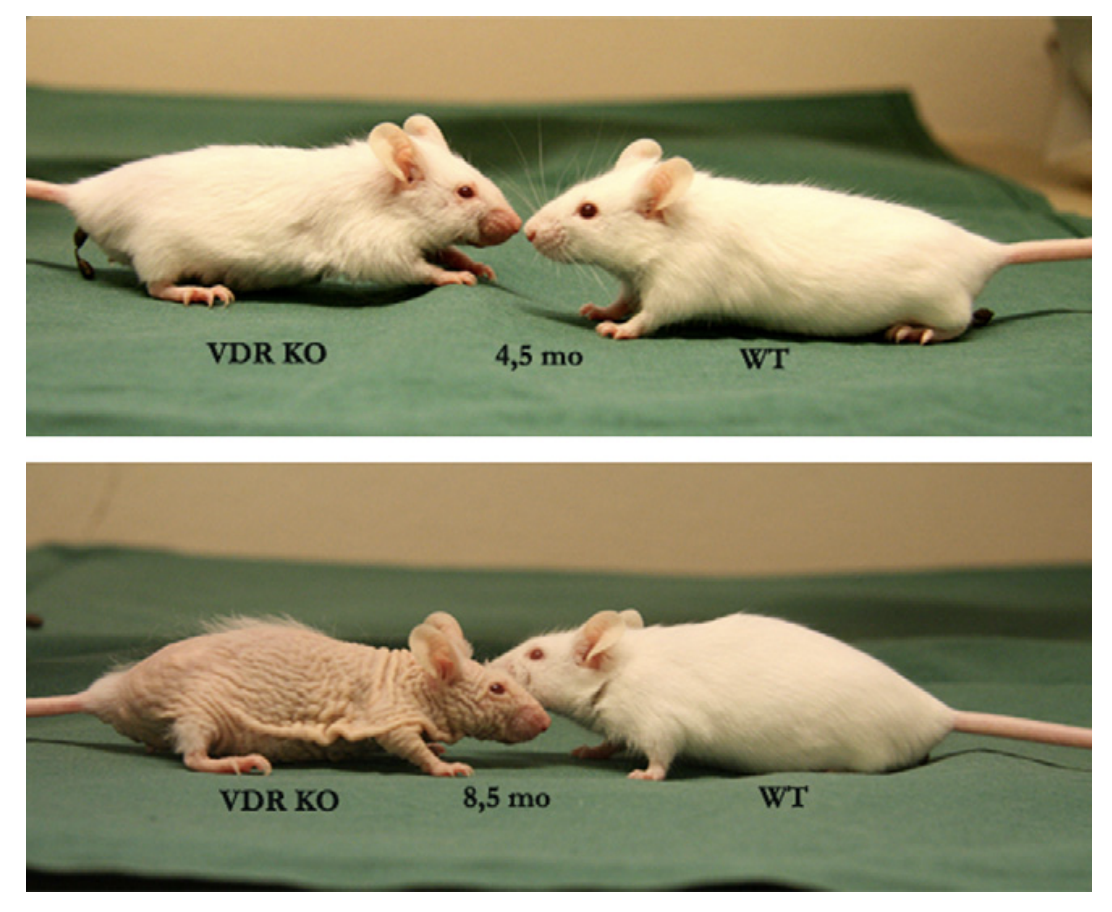
VDR KO = vitamin D receptor knockout, meaning the mouse doesn’t have a functional receptor to respond to vitamin D. You can see that at 8.5 months, these mice are drastically more aged.
🧠 7. Creatine isn't just for muscles
Brain expert Louisa Nicola spoke at length about creatine. Creatine may also help fuel the brain. In the first human trial in Alzheimer's patients, participants took 20g of creatine daily for 8 weeks. Brain creatine rose 11%, and cognition improved on global and fluid composites, List Sorting, Oral Reading, and Flanker tests. Those tests measure working memory, reading, and attention.
The study was small and had no placebo group, and the researchers say larger trials are needed to confirm the effect and find the optimal dose. Still, creatine is inexpensive, well studied for safety, and worth a conversation with your healthcare provider to see if it is something to add to your supplement regimen.
🍟 8. Cut ultraprocessed food to cut your Alzheimer's risk
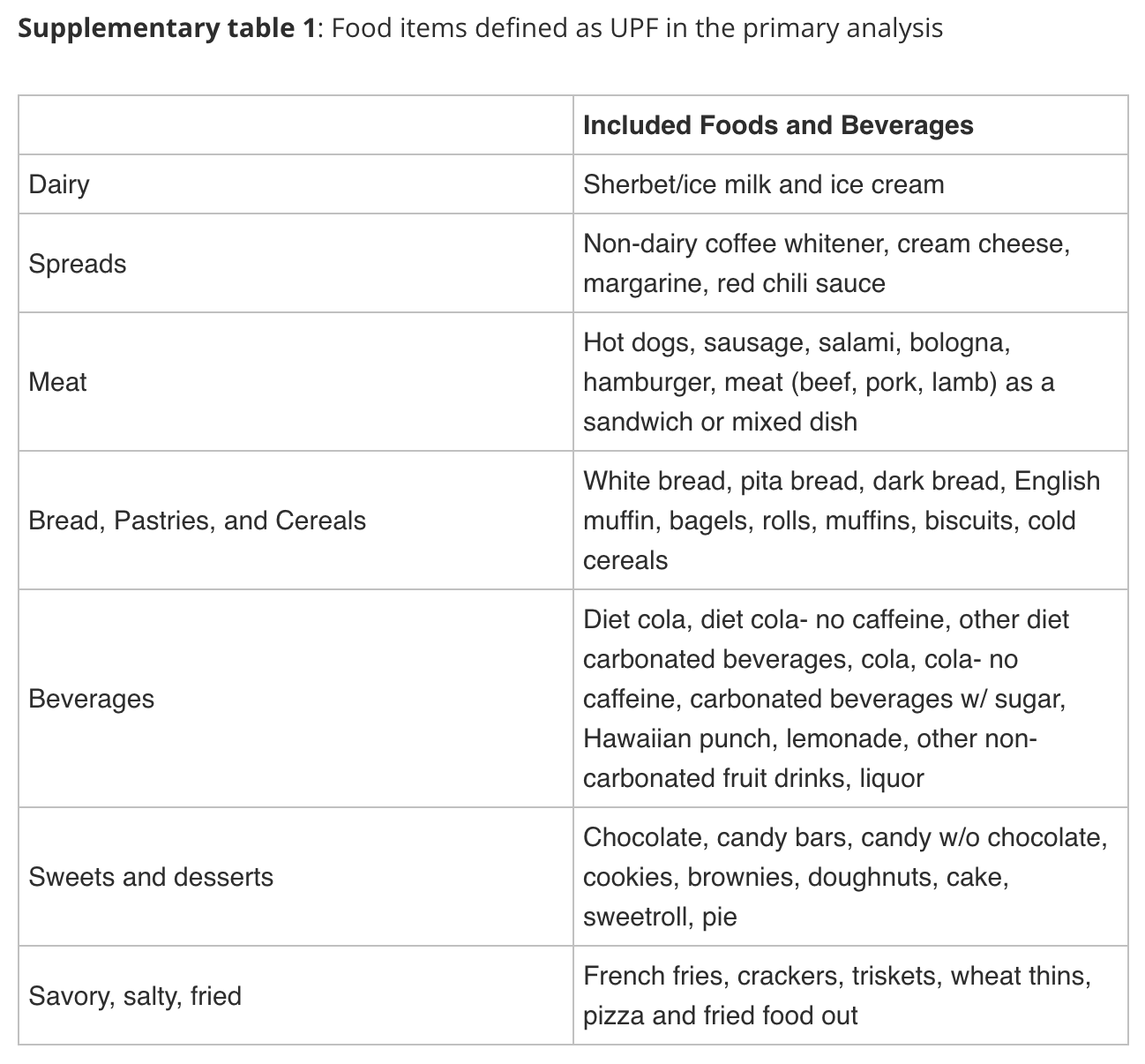
Every serving counts. In the Framingham Heart Study, among people younger than 68 when the study began, each additional daily serving of ultraprocessed food eaten per day was linked to a 13% higher risk of Alzheimer's. Eating 10 or more servings a day was linked to a 2.7-fold higher risk. The effect held even after the researchers accounted for age, sex, education, calories, metabolic health, and overall diet quality. In people who were 68 or older at the start, there were no significant findings, which suggests midlife eating habits may matter most. There is no place for ultra-processed foods in our diet.
The following were categorized as ultra-processed foods (UPFs) in their study. You can see how easy it would be to get 10 servings of these per day on a standard American diet. They are serving many of these foods in schools to toddlers! 🤦♀️
🫘 9. Eat more fiber, and more kinds of fiber
An awesome talk by Dr. Karan Rajan opened my eyes even more to the power of fiber, and I'm already someone who LOVES fiber and wrote about it length in my book. Fiber isn't just "soluble vs. insoluble." There are MANY different types, each found in different foods and each feeding different gut microbes. They also ferment at different speeds, so they support different parts of the gut. Fast-fermenting fibers are used up early in the colon, while slower ones travel further and feed microbes deeper down. You want to support ALL parts of the colon, especially as colon cancer continues to rise in young adults. A few types of fiber to know:
🍎 Pectin (apples, citrus, berries): ferments quickly and feeds microbes in the first part of the colon.
🧅 Inulin (onions, garlic, leeks, asparagus, chicory root): a powerful prebiotic that especially feeds beneficial Bifidobacteria.
🌾 Beta-glucan (oats, barley): known for lowering LDL cholesterol and helping with blood sugar control.
🫘 Resistant starch (cooked-then-cooled potatoes and rice, green bananas, beans): escapes digestion in the small intestine and ferments into butyrate, a key fuel for the cells lining the colon.
🍞 Arabinoxylan (whole wheat, rye, bran): a slow-fermenting fiber that reaches the far end of the colon. Without it, microbes there run out of fiber and start fermenting protein instead, which creates more harmful by-products. This is also where most colorectal cancers develop.
Fiber also helps your body clear out excess cholesterol and estrogen. Soluble fiber binds bile acids, which are made from cholesterol, so your liver pulls more cholesterol from your blood to replace them. Fiber also helps carry estrogen out of the body instead of letting it be reabsorbed.
The evidence is strong. A Lancet review drew on data from 185 prospective studies and 58 clinical trials. People who ate the most fiber had 15–30% lower rates of death, heart disease, stroke, type 2 diabetes, and colorectal cancer than those who ate the least. The biggest benefits showed up at 25–29 grams a day, and higher intakes may protect even more against heart disease, type 2 diabetes, and colorectal and breast cancer. The average American gets only about 15 grams a day, roughly half that amount.
🏋️ 10. We must move VIGOROUSLY and lift HEAVY
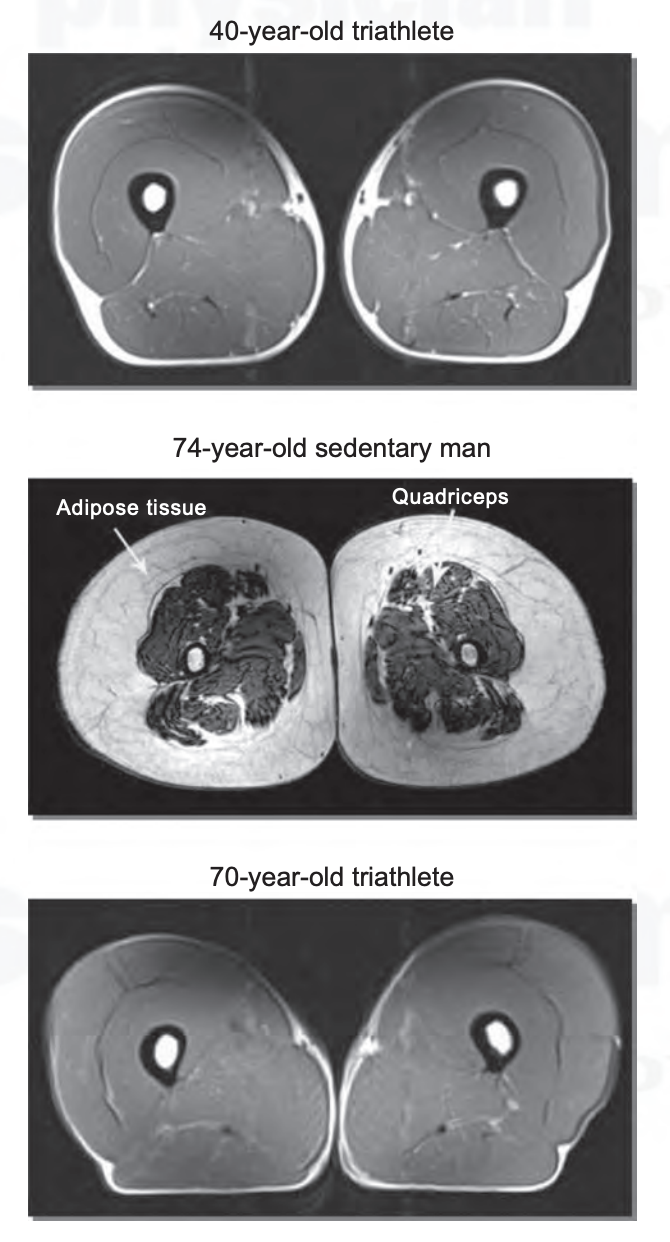
Orthopedic surgeon Dr. Vonda Wright showed a famous MRI image, featured in her 2011 study "Chronic exercise preserves lean muscle mass in masters athletes," comparing the thighs of a 40-year-old triathlete, a sedentary 74-year-old man, and a 70-year-old triathlete. The two athletes' legs look nearly identical, while the sedentary leg has far less muscle and much more fat. Her research on masters athletes suggests that much of the muscle and strength loss we blame on aging may actually come from chronic disuse. Resistance training and vigorous exercise are also among the most powerful tools we have for brain health.
Dr. Rhonda Patrick also spoke at length about VILPA (Vigorous Intermittent Lifestyle Physical Activity) as a key part of longevity and metabolic and cardiovascular health. These are short bursts of intense movement woven into your day, like taking the stairs two at a time, power-walking to a meeting, or doing a minute of fast squats. In a study of about 25,000 adults who didn't exercise, just three 1–2 minute bursts a day were linked to about 40% lower risk of death from any cause and from cancer, and nearly 50% lower risk of dying from heart disease. And every time your muscles work hard, they pull glucose out of your bloodstream, which helps with blood sugar control.
THE POWER OF EXERCISE!!!!
📖 Read more: Newsletter #69: VILPA
💃 11. Fix your "passion deficiency"
Dr. Chatterjee spoke about how we need to think about the root causes of anxiety and depression more holistically. Before reaching for the prescription pad, we should look at everything that affects brain health: diet, movement, sunlight, sleep. But are we forgetting a major one? Are we making time and space for the things we love?
The research says we should. In one study, people who tracked their day in real time felt 34% less stressed and 18% less sad while doing activities they enjoyed, and their heart rates were lower too. The benefits lasted for hours afterward. And a Nature Medicine study of more than 93,000 older adults across 16 countries found that people with hobbies had fewer depressive symptoms and greater happiness and life satisfaction.
So here's your assignment (I’m going to do it too!): grab a pen and paper and list the things you truly LOVE to do, the ones that make you lose track of time and spark joy. Then, next to each one, write down the last time you did it. If the answer is "I can't remember," that is food for thought!
🙏 12. Cultivating a spiritual life IS a health intervention
I shared this in my own talk. In a Harvard study of women followed for 16 years, those who attended religious services weekly had 26% lower mortality than those who never attended, and those who attended more than once a week had 33% lower mortality. The researchers believe part of the benefit comes from social support, less smoking, less depression, and a more hopeful outlook.
Dr. Lisa Miller's research at Columbia shows how powerful personal spirituality can be for mental health. She followed the adult children of depressed and non-depressed parents for 10 years. Among those at high risk because a parent had depression, people who said religion or spirituality was highly important to them had about one-tenth the risk of major depression, a 90% reduction. Across the whole group, the risk was about a quarter. What mattered was how important spirituality was to them personally. Her follow-up brain imaging found that people who valued spirituality highly had thicker cortex in regions that tend to thin in people at risk for depression.
More broadly, the people and places around you are either raising your health standards or lowering them.
🪨 13. How to make any of this stick
Dr. Chatterjee's formula for turning a new behavior into a lasting habit:
Make it easy. Motivation rises and falls like a wave. If a habit only works when you're motivated, it won't survive the dips. His mandatory daily workout is just five minutes.
Attach it to something you already do. While his kettle boils for morning coffee, he does a strength workout in his pajamas.
Let your environment do the work. He keeps a kettlebell in the kitchen, so the cue is right in front of him.
One question to leave you with:
As one speaker put it, you're the average of what you do consistently, not what you do now and then. So, with that, what is one non-negotiable you'll commit to TODAY?
With good energy,
Dr. Casey

Facts inform us, but beauty can transform us. Dr. Casey’s Poem of the Month is a Steward-exclusive newsletter series that includes a poem and reflection to reconnect us with meaning, wonder, and awe, from my personal collection of favorite poems I’ve been compiling for over 20 years.
The second issue is coming this Thursday, October 1st. Become a Good Energy Steward to gain access and get it straight in your inbox.
Share with a friend: If you enjoyed this issue, please share with a friend! They can sign up for the newsletter here.