Newsletter #76: 🎨 Designing the next chapter
3 practices for reflection, growth, and health
Know someone who might enjoy this newsletter? Forward this email to a friend, or share the web version here: https://caseys-means.beehiiv.com/p/newsletter-76
🎧️ Unlock the audio edition of this newsletter, personally read by Dr. Casey, and other offerings by becoming a Good Energy Steward.
My 39th birthday is this Thursday, and I love using this time of year for reflection and planning as I complete another turn around the sun. This year feels like an especially meaningful time to introspect: our baby is almost one, and my life is dramatically different from a year ago.
On my last birthday, I was eight months pregnant, the nominee for US Surgeon General, and weeks away from both my Senate hearing and giving birth. My husband and I were still processing the Palisades fire and having to leave our neighborhood permanently. I had to remain totally silent publicly because of the nomination, even as I was regularly criticized in the media.
Now, I’ve given birth and am finding my footing in motherhood. I am no longer the nominee for Surgeon General; the nomination was withdrawn. I haven’t slept through the night in 11 months because of breastfeeding, yet I have never felt more love or purpose. I am writing publicly again, and figuring out how to balance creative expression and impact with my first priority of tending to my family. It feels like a potent moment to step back and reflect on where I’ve been—and on my highest hopes for this next, very different chapter.
So, for this edition of the newsletter, I want to share three reflection exercises that have supported me and hopefully will benefit you, too. I believe deeply in the power of writing down our reflections and intentions. In the times when I have most earnestly set a crystal clear vision and written it all down—from an energy of wholeness and optimism—the dreams have largely come true: meeting my husband, having a safe and transcendent home birth, seeing my book have an impact.
I wonder what else we could bring to life—in our own lives and in the state of the world—if we carved out intentional time to get ultra-clear on our positive vision for the next chapter. One of my favorite ideas from a sermon I once heard at Self-Realization Fellowship is that “when your will and God’s will are aligned, the force of Creation is behind you.”
“When your will and God’s will are aligned, the force of Creation is behind you.”
For this to come to fruition, it suggests we need to create clarity and precision on our will.
So, I offer you three versions of reflection and invite you to carve out one hour—maybe a few hours—of uninterrupted time to introspect, tune in, and dream about the highest vision for your life and the world.
1️⃣ Designing Your Life: The Three Odysseys
I have read the wonderful book Designing Your Life a few times, and it has been monumentally helpful. It’s a guide to applying design thinking in our own lives. I first read the book about 10 years ago at the end of my second year of surgical residency, when I was feeling very low about my work and the future.
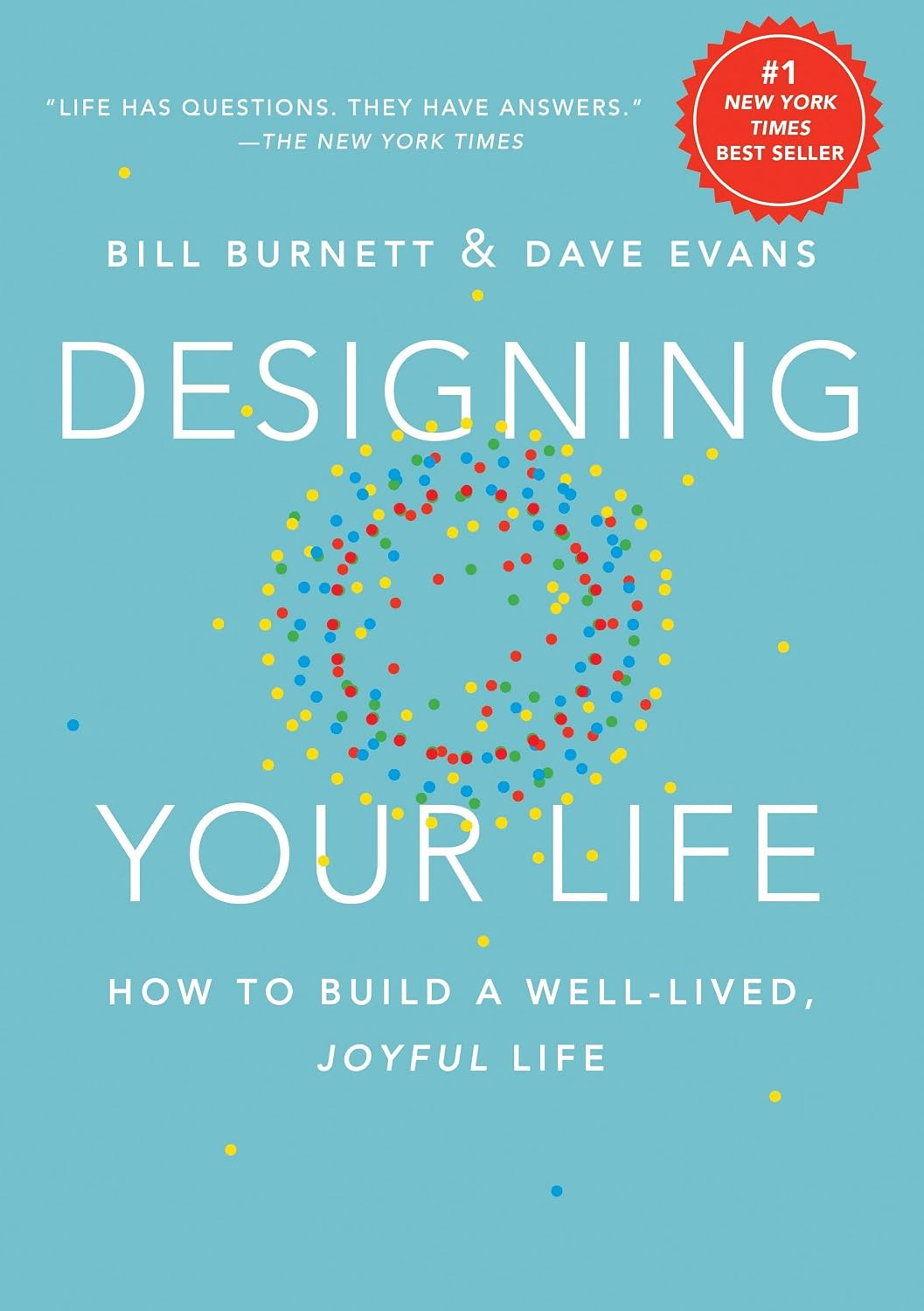
Then, on September 27, 2016, at age 29, I attended a Stanford alumni mini-workshop on the book at Portland’s Multnomah Athletic Club. There, surrounded by other Stanford alumni, I was introduced to an exercise called “Life Odysseys”—one I cannot recommend highly enough.
Here are the instructions, from the Designing Your Life website:
To create Odysseys, develop three different versions of your life for the next five years:
The Expected Path—This is the story you tell today about the life you’re currently living. It’s based on the trajectory you’re on now, such as continuing in your current job or field.
The Alternative Path—What if your current plan were no longer an option? What other career or lifestyle might you pursue?
The Wild Card Path—If money and social expectations weren’t a concern, what would you do? This is your “dream” scenario.
For each plan, consider the moments and experiences you’d like to have over the next five years. Challenge yourself to draw them—drawing helps activate your creativity in a different way.
After you’ve visualized each path, give it a title and assess how you really feel about what you put down on paper. Sometimes we brainstorm and realize we didn’t get what we wanted—but embrace the prototype mentality. Do another!
There is even a handy PDF you can use to do this exercise and draw out your visions.
What I drew in the “Wild Card Path” at age 29—a life of my wildest dreams—is what pretty much came true over the subsequent years. I’m not sure that, if I hadn’t done that exercise and given myself permission to dream those huge, outlandish dreams, it all would have happened.
2️⃣ Questions Inspired by the Jewish Season of Reflection
I was not born into the Jewish faith, but I am so lucky to call several deeply spiritual Jewish women some of my dearest friends. My friendships with them and the pieces of their tradition I have been blessed to witness have moved me deeply, as have the teachings I’ve encountered through David Ghiyam’s and Cathy Heller’s podcasts and courses on Kabbalah—especially those about the intentional reflection and spiritual preparation surrounding this sacred time of the year.
As I write this, Yom Kippur has just come to a close on the evening of September 21st, 2026, following a season that includes the introspection of the month of Elul and Rosh Hashanah’s invitation to reflect on the year that has passed and the one ahead.
One idea I’ve found especially moving is the seriousness with which this season invites a person to take account of their life—not a vague sense that we should “do better,” but a sincere accounting of specifically where we have fallen short, whom we may have hurt, what needs repair, and how we want to live differently going forward.
I don’t claim to summarize or adapt these sacred traditions, which are far richer and more specific than anything I could capture with my limited knowledge. But what little I know has prompted me to ask these important questions of my own life:
Where did I fall short of who I wanted to be this year? Specifically, name one or two real moments of falling short.
Who do I owe a sincere apology to? Where do I need to engage in real repair?
What am I ready to let go of, so I don’t carry it into the year ahead?
Where is my life out of alignment with what I say matters most to me?
If my year were being written down right now — not the highlight reel, not what I meant to do, but the actual truth of how I showed up — what would it say was really true about how I lived?
I want to be accountable to my actions and make real progress in life. These questions are tough ones, but feel potent to help bring real change to life.
3️⃣ The Power of Introspection, According to the Self-Realization Fellowship
This past Sunday, I had the pleasure of attending an inspirational lecture at the Self-Realization Fellowship, the spiritual organization founded by Paramahansa Yogananda. The talk was about the power of introspection and reflection—specifically, taking stock of our positive and negative spiritual habits and noticing what seems to bring us closer to God and what separates us from God.
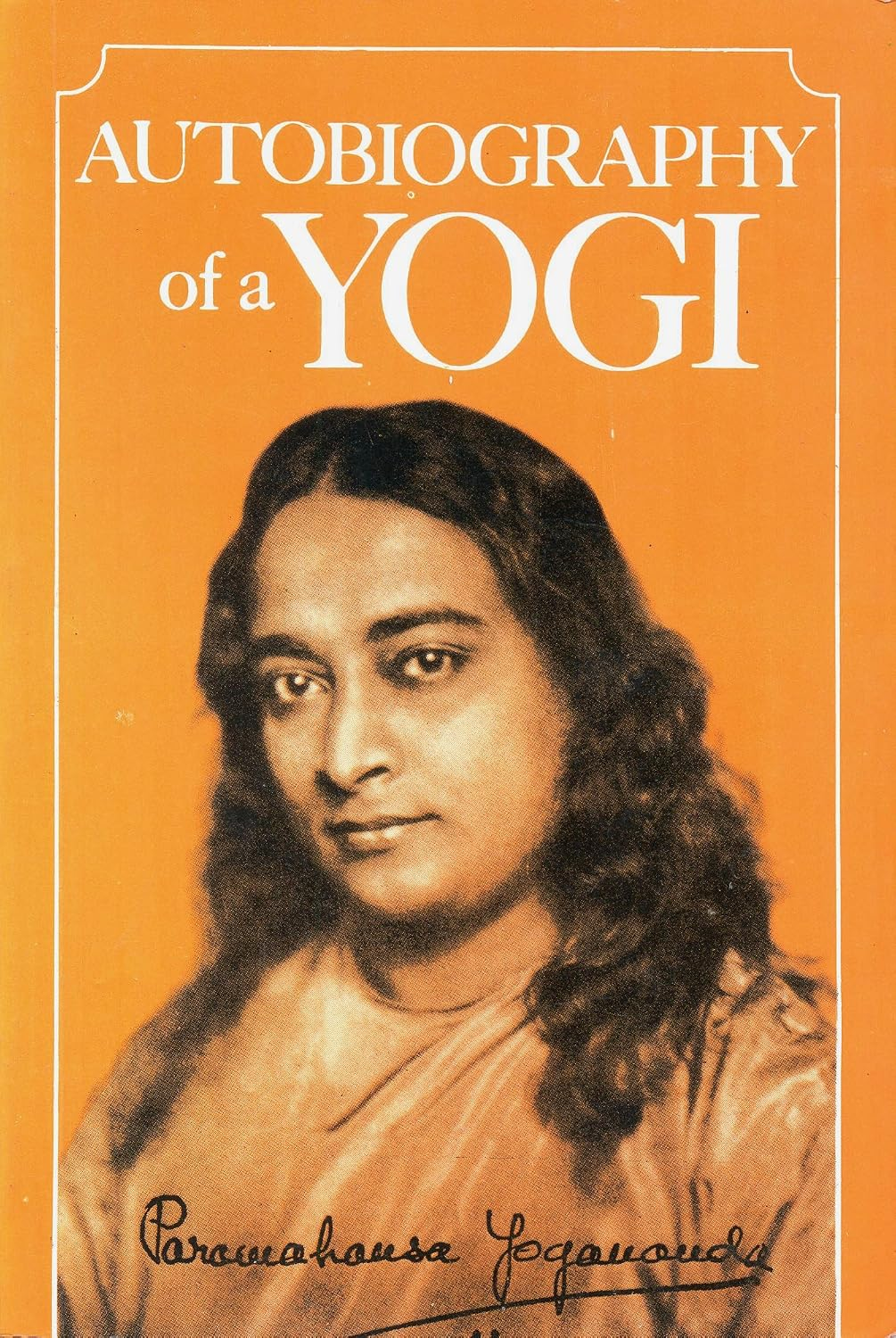
The monk giving the sermon encouraged us to identify our five strongest spiritual habits and five habits that keep us in limited consciousness, which he called “body consciousness.” Once a week, he suggested, write our five best and five worst spiritual habits down and consider how each is affecting our happiness. The idea is that if we can name and identify a habit, we are more likely to recognize it when it shows up in our lives—and be more able to change it. Pretty simple, but how many of us actually do this?
“So long as we are immersed in body consciousness, we are like strangers in a foreign country. Our native land is omnipresence… When you go beyond the consciousness of this world, knowing that you are not the body or the mind, and yet aware as never before that you exist — that divine consciousness is what you are. You are That in which is rooted everything in the universe.”
As I look at my day-to-day life, it is fairly easy for me to pick out a few habits that help me feel elevated from the mire of day-to-day stresses to more flow, connection, peace, and harmony. I don’t do them all the time, but when I do, it creates for a better day and state of being. For me, this includes praying before meals as a family; doing nightly gratitudes during bedtime with my husband and baby, writing down what I want to bring into my life on the New Moon each month; doing a Joe Dispenza-inspired meditation on Insight Timer called Tuning In to New Potentials when I can; pulling a card from my Rumi Oracle deck or The Wild Unknown Animal Spirit Deck; listening to podcasts on Kabbalah from two of my favorites, David Ghiyam and Cathy Heller; visiting Lake Shrine and listening to the sermons; writing heartfelt cards to friends for birthdays or thank-yous; connecting with my trusted spiritual guides and coaches, including Deena Metzger and Vika Miller; spending time with my female friends who are committed to a spiritual path; and journaling. All of these habits help me “pop-up” out of anxiety, fear, and lack.
And I can also easily name the habits that leave me feeling limited, disconnected, and constricted: Complaining. Speaking negatively about other people or situations. Criticizing others. Saying yes to things when my gut says no. Ruminating on fears.
“Most people don’t change because they don’t analyze their own thoughts.”
The monk’s sermon centered around the idea that we need self-awareness. When we stop introspecting, we stall in our progress. He noted that our “perceptions grow in stillness”—meaning that we need to intentionally create space in our life to hear the subtle messages from God, and that our perception of God grows when we avoid overindulgence of the senses, step away from media (which he called a “restless force”), take time to introspect, and bring fervent passion and intense devotion to our conversation with God.
So, this week, I offer to you to choose one:
Do the Three Odysseys exercise.
Sit with the five questions inspired by the High Holy Days.
Name five spiritual habits that bring you closer to a sense of connection, flow, and peace—and five that leave you feeling limited or separate from your most elevated self.
Give it an hour—or even ten minutes! Step out of the hubbub of daily life, listen inward, and get clear about what you want to create next.
Dr. Casey
Share with a friend: If you enjoyed this issue, please share with a friend! They can sign up for the newsletter here.